 Santhu
Even today most backpackers think that Castles are a vital historic example to Japanese Imperial Legacies. That is 100% true, I’m not denying it. But the sad part here is, when we talk about or make plans to visit major castles of Japan our mind immediately shifts to Imperial Palace of Tokyo or Kyoto Imperial Palace, even sometimes to Osaka Castle.
Did you know, there’re ample other smaller (I call it as the most underrated) castles spread across Japan. Yes, even today most backpackers are unaware about such kinds of architecturally rich castles. Under that one castle literally blow my mind, that is non other than “Himeji Castle”.
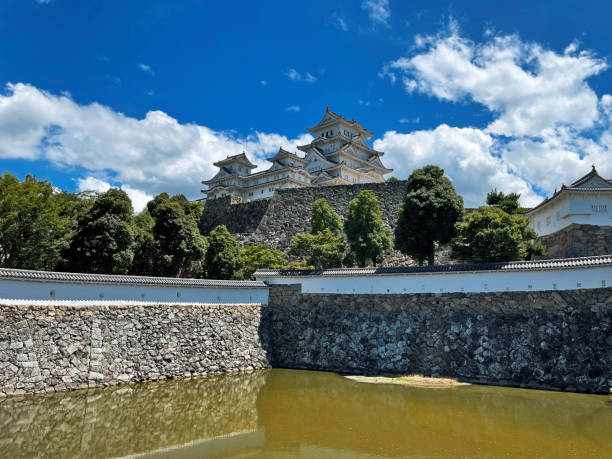
Himeji Castle looks exactly like one in your head. This Japanese century old castle looks like a white, multiple roofed section rising above a maze of walls and gates.
The best part of this Himeji Castle’s overall architecture, till now it is untouched by any kind of wars, earthquakes and fire that destroyed many other castles like Osaka Castle, Edo Castle or Hiroshima Castle. Himeji Castle is one of the country’s finest, largest yet one of the well preserved feudal castles (1 in total 12 surviving architectures).
Quick Facts About Himeji Castle
Location: Castle situated Hyogo Prefecture, just 1 km north of JR Himeji Station.
Status: Himeji Castle recognised by the UNESCO World Heritage Site in 1993. Along with one of Japan’s National Treasure, one of 12 preserved original castles.
Total Time Needed: On an average you have 3 hours to explore everything about this castle including the garden.
Opening Hours: Castle open to the general public from morning 9:00 AM to 17:00 PM. From June to August, its opening hours extend till 18:00 PM.
Entry Fee: Pay ¥2,500, if you’re outside visitors of Himeji. If you show Himeji resident proof, then you’re eligible to enter with the cost of ¥1000. Koko-en garden ¥2,600.
History of Himeji Castle
The establishment of Himeji Castle started small. Actually, its name wasn’t himeji at that time. Akamatsu Sadanori was the person who gave its foundation and built it as a modest fort on a hill along the western side of Kyoto. Later centuries its clans expanded.
But when Toyotomi Hideyoshi took control over Himeji in 1580 he seriously thought about its renovations and developments. He added 3 stories (what you are seeing today) and gave me the name “Himeji”.
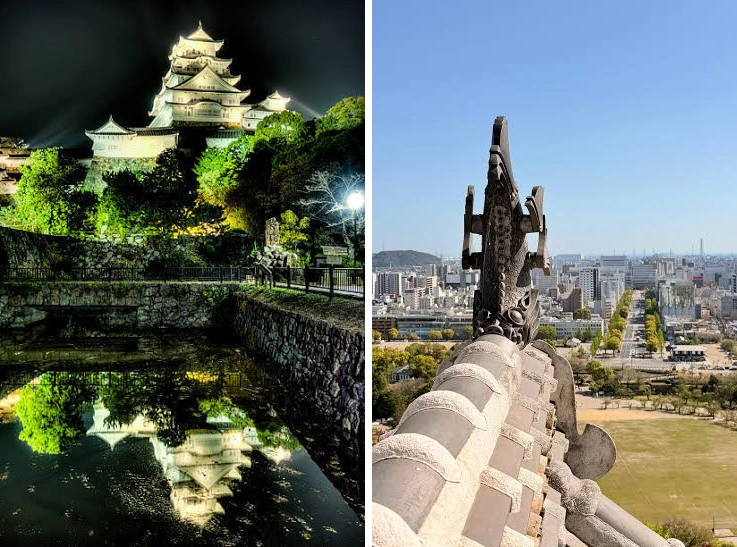
Under the history of Himeji Castle, a major contribution goes to Ikeda Terumasa. The person behind who actually rebuilt the castle as a major western stronghold for the Tokugawa Shogunate. Even today Ikeda Terumasa completed its main keep (Tenshu) between 1601 and 1609.
In 1617, Honda Tasamasa gave some contributions and he added more buildings, like Nishionaru and West Bailey (process room). With his little unique style of architecture today the castle looks like both a home and a fortress.
When Meiji restoration took place in Kyoto in 1868, major Japan’s castles and other historic figures were destroyed and some are partly damaged. Some of the surviving castles are today concrete reconstructions.
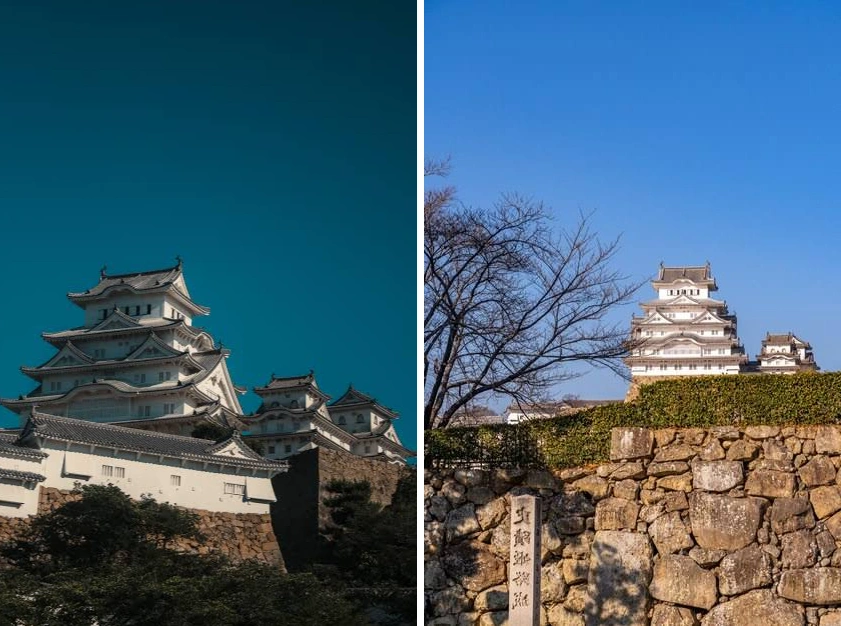
But Himeji survived and escaped from mass destruction. Today in the entire Japan Himeji is one and only 12 castles that are kept. Its 5 year restoration began in 2009 left it brighter white than before.
Due to its peak white color and supportive white plaster walls Himeji Castle is even called “White Heron Castle”. If you love photography, maybe you’d love to take its roofs that look exactly like a bird spreading wings.
However, its height stands 31.5m and 46m from ground level make it more attractive to photographers to capture enough photos with different angles.
Himeji Castle Ticket Price
Knowing the ticket price of Himeji Castle is crucial and from the last few decades its ticket prices have changed consistently. On March 1, 2026 they made some changes in their entry fee and gave more preferences to locals.
If you’re an adult (above 18 years) and do not belong to the Himeji province then you’ll pay ¥2,500. But if you shown I’m a resident of Himeji through your resident proof, the ticket price will be reduced to ¥1000. Don’t pay any fee if you’re under 18.
Additionally Koko -en garden cost ¥2,600, located next door. Sometimes the garden costs only about ¥100 extra when we pay for it together. Make sure that ticket rule is purely based on where you live, not your passport or country of origin.
Let’s make a small comparison of Himeji Castle ticket price with Japan’s other major castle’s entry fee. If you see Nijo Castle, the entry ticket is around ¥800. Compared to Himeji it is far less balanced.
While I discovered why exactly they charge such a high rate of entry fee, I finally came to know that Himeji offers more than a palace walkthrough. The castle has more than 80 surviving buildings, a 400 year old wooden keep and enough ground to fill half a day.
Most visitors believe that ¥2,600 is a fair price to enter and explore inside the garden. But personally I felt it was overpriced. You’ll have only 3 hours to roam amidst garden beauties to take photos. Instead, take photos from Sannomaru grounds and from the street leading to it.
How to and Where to Buy Entry Ticket
Tickets you can get either its ticket booth or official online website. If you wish to buy on site there is a ticket booth located at the end of the Sannomaru.
However visit its official online site and book your ticket weeks in advance, let us skip the counter queue.
Make sure that ticket prices are changed, in fact increased. Don’t believe ¥1,000 entry ticket to castles or ¥1,040 to garden, so, don’t budget around it. Conform prices and operating hours before you go.
Castle Opening Hours
If you look at Himeji Castle opening hours it heavily depends on seasons. The castle opens at morning 9:00 AM to 18:00 PM between June to August (Spring and Summer Season). The last entry is 17:00 PM.
But from September to May (Fall and Winter) the castle runs morning 9:00 AM to evening 17:00 PM. The last entry is 1 hour before closing time.
Note: Don’t visit on December 29 and 30, both days are annual closures to the castle.
My simple advice before entering Castle is, crowds matter more than clock here. Yes, especially during weekends, public holidays, cherry blossom period, summer holidays and golden week are the most crowded seasons in Himeji Castle.
During these periods you may experience entry is limited or issues limited numbers of tickets or waits a long period of time to get tickets.
To avoid these circumstances, the castle’s official website publishes a crowd forecast calendar every year. This helps you to get real time visitors’ estimations and availability of tickets without experiencing harsh reality. So, check it one night before.
Himeji Castle Inside
1. Sannomaru and Otemon Gate
Otemon Gate is the starting point where you enter inside of the Castle. Built 1938 when the castle was rebuilt.
Sannomaru or Sannomaru Square you’ll immediately enter through Otemon Gate. It looks like a large, open grassy lawn where numbers of cherry trees are lined one by one. If you’re a photographer, this is the right place to stop to get epic photos of white main towers located straight ino your eyes.
2. The Maze
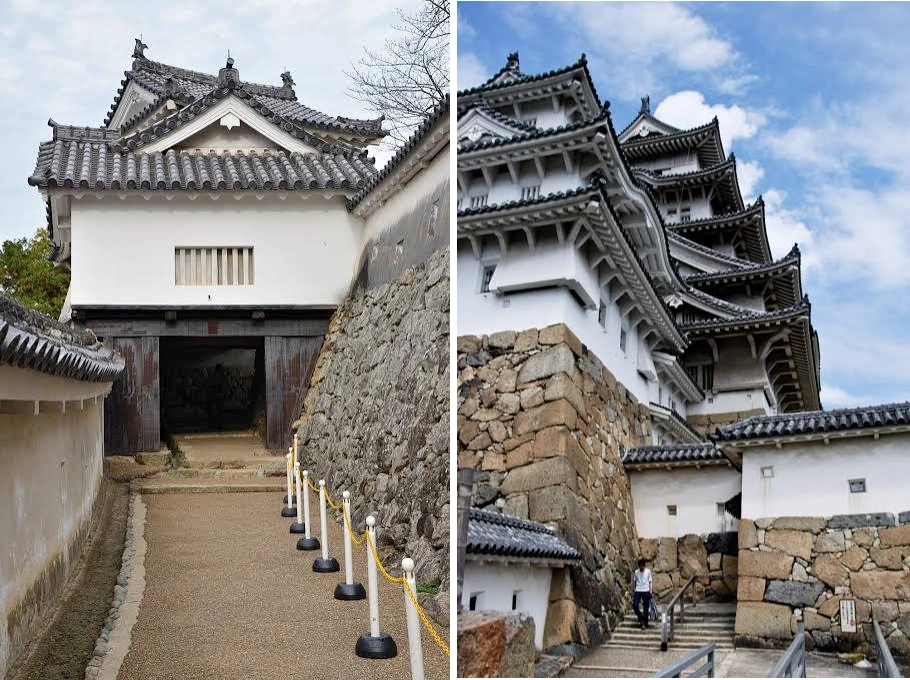
Primary purpose of adding this Maze to Himeji Castle for winds through walled paths, gates and baileys. Maze tries to slow attackers and leave them exposed. Act as a defensive network of winding stones, dead ends and confusing courtyards where attackers get confused and rarely get a straight line to keep.
Hishinomon Gate is another similar architecture design that has the same reason and purpose. If you look at this gate, the largest surviving gate on the ground where you’ll see curved stone walls that are not easy to climb for invaders. During the 17th century this gate was even used as a primary gate to the inside bailey.
3. The Main Keep
Main Keep is the largest and major stopping in your inside castle tour. Main Keep is filled with 6 floors and 5 roofs and linked by corridors to 3 smaller keeps.
Today this architecture rises 45.6 metres from sea level (the stone base is 14.85+ above foundations and stands 31.5 meters).

Under Main Keep staircases are steep and narrow, every floor you’re going makes feel smaller than the previous one. However, floors are mostly empty (after Heise-era restorations) and each floor is made with bare woods and defensive details. I think this is the right place to spend your little more time to see shooting holes, weapon racks, hidden rooms and dropping stones.
Once you reach its top floor there is a small shrine called Osakabe stand. During emperor periods, the shrine believed as a guardian deity to the castle and prevented curses, disaster and misfortune to the locals. From there you’ll get the most epic views of the city.

Once you turn back and see there is a huge fish shaped roof. This is a kind of ornament built to protect a castle against fire or disasters. If you’d like to explore everything from 1 to 6 floors, then avoid during busy days and check numbered tickets allowed inside.
4. Nishinomaru
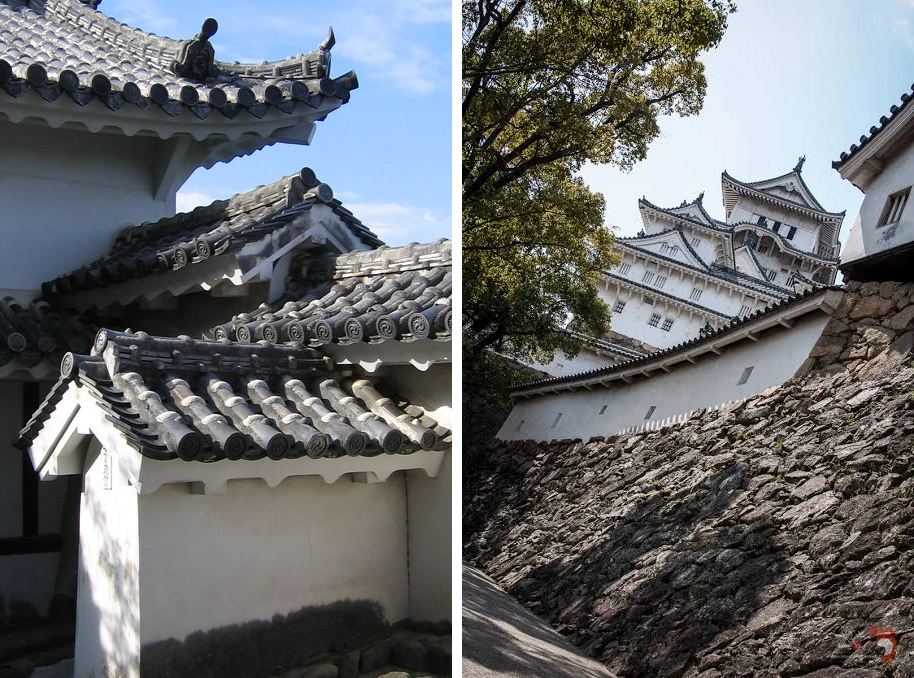
Even today visitors most like to reach this Nishinomaru. The reason behind liking this spot is its long corridor with small rooms running along the walls. During the emperor ‘s reign, Nishinomaru used it as a living space for prices and her attendants. If you look at Himeji Castle deeply you come to know that this room was used by Princess Senhime.
If you have a more calm, tranquil ambiance, choose to spend more of this Nishomaru and you may feel there’re some good views to see and take photos.
5. Okiku Well
Located in the main enclosures, you’ll see this well is tied to one of the castle’s best ghost stories.
Its story goes like this: A servant is accused of losing ten precious plates and thrown into a well. Later her ghost said to count the plates every night. But Osakabe is a positive spirit said to live in the well and keep and foretell its fate.
Best Time to Visit
1. Spring
Japan is often known for its cherry blossoms and romantic settings, this would be easily possible during Spring. Around 1,000 cherry trees bloom on Himeji Castle grounds and blooms are lit in the evening during Spring season. Spring is a busy season. Be ready to handle your tickets, hotel bookings.
2. Autumn
From mid to late November, foliage started to grow, some trees’ foliage turned green to yellow. Koko-en is a great spot to enjoy your time.
3. Summer
Summer is hot and a little longer than the rest of the season. Most visitors dislike this season, if you’d like easy and crowd free travel, choose the Summer season.
4. Winter
Most backpackers like to visit this season, but winter is quieter. Castle walls look clear and look against clear skies. Make sure winter days are short, be ready to pack your bag early.
Bonus tip here is, you can enjoy traditional “The Moat Boat Cruise”. It runs on limited dates, Friday to Sundays. Sometimes even holidays from late March to June and Mid September to early December.
The cruise runs every day for about 30 minutes. You can either book on site or book online in advance.
Where to Eat
There’re ample restaurants located across Himeji Castle, choosing a close and popular one is a vital point in your trip. Here I personally prefer 3 major restaurants which serve major Japanese foods.
1. Tamagoya

Located near castle gates, Tamagoys often serves tamago kake gohan, rice topped with raw egg. Most of its food ingredients are supplied from local farm lands.
2. Kassui-ken
If you want to taste different cuisines styles but won’t leave the castle’s premises, then Kassui-ken is an ideal option for you. Here you do not just eat set meals, however, beautiful garden views and confer eel are major things to enjoy along with your food.
3. Nadagiku Kappatei
Try breweries and ginger soy sauces at Nadagiku Kappatei. It is a family run brewery izakaya located close to your castle.
Let’s Look What are the Quick Tips for Himeji Castle
- Buy an entry ticket online at its official website to skip the wait at the counter.
- Explore the inside of Himeji Castle first, then come back to see grounds and gardens.
- Since the castle won’t allow people who wear shoes/slippers. Better to come with slip on shoes/socks or normal slippers, and you’d leave at its Main Keep.
- Use station lockers to keep your belongings.
- Check crowd calendars the night before your visit and it helps you to get an exact idea how many visitors are expected to visit on that day.
- Keep at least 3 hours to see everything (both inside and outside).
- Don’t forget to reach the castle 1 hour prior to its last admission.
Where are the Top Photo Spots
Besides White Keep, there’re number of other smaller photo centric views where you can get enough clicks from your camera.
1. Otemae-dori terrace
Take your camera to Himeji Station’s north exit. From Otemae-dori terrace castle look straight down the avenue.
2. Shiromidai Park
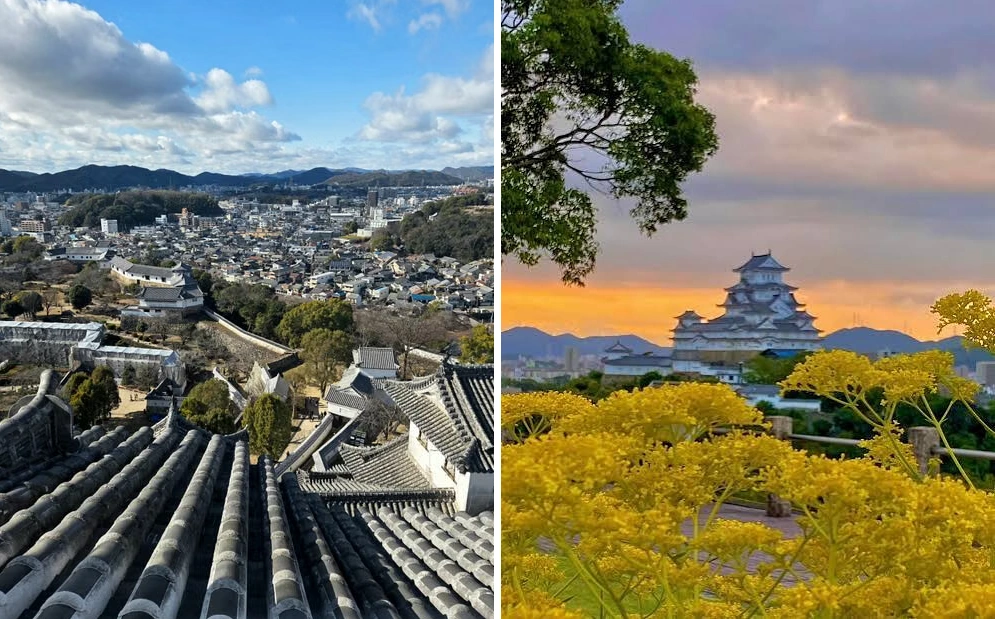
Located just 5 minutes walking distance from Otemon Gate. Expect less tourist crowds and take enough epic photos of giant roof ornament monuments.
3. The Moat Boat
This boat ride offers different low angle photos of castles and surrounding natures.
4. Hyogo Prefectural Museum of History
Bring your camera where the museum created by Kenzo Tange reflects the castle in its glass front.
5. Otokoyama Haisui’ike Park
The park demands little hiking from you, but its peak offers mesmerising wide views of the castle and city.
6. JR Kyoguchi Station Platform
Great spot for sunset photographers. Pay a little amount to enter inside (need train tickets) and take photos of the lit castle.
Hidden Spots Nearby Himeji Castle
1. Engyoji Temple
Engyoji Temple is the most missing spot by visitors here in this Himeji Castle. Please keep some time to visit this tiny yet most elegant temple which is located on Mount Shosha.
From the castle there’re good number of buses and ropeways available to reach this temple. Once you reach Engyoji Temple try to stay overnight and let you see how beautiful the castle is during sunset and sunrise.
Check ropeway status first, whether it is operating or not since it went maintenance from February to October this year.
2. Dormy Inn Himeji
Located just 3 minutes walk from your main station where you can enjoy a natural hot spring bath. The Dormy Inn Himeji offers outdoor baths, cold plunge and saunas at its elegant Shirasagi-no-yu hot spring. Try ice cream bathing which is a more common and popular thing to try.
How to Get to Himeji Castle
To reach Himeji Castle you’d take the Shinkansen line, which helps you to reach the castle directly.
1. From Kyoto
Use your “Japan Rail Pass” or any other regional passes to travel on JR Sanyo Shinkansen Line, Sakura or Hikari trains. It takes 45 minutes by Shinkansen and 55 minutes from Kyoto Station.
2. From Osaka
You can reach by 30 minutes by Shinkansen from Shin-Osaka, or by JR Special Rapid it takes 1 hour to reach. You can also come from Umeda through “The Hanshin Line”, but it takes a little more time, 1 hour 45 minutes to reach. The best part here is, you don’t need a rail pass and it is cheaper than the previous 2 options.
3. From Tokyo
Choose the Sanyo Shinkansen or Tokaido bullet train line (3 hours on the Nozomi). Even Hikari trains are operating, but it takes a long time of half an hour to reach. Don’t forget to use your Japan Rail Pass at Tokaido and Sanyo trains.
4. From Kobe
From Kobe, your trip normally starts either from Kobe- Sannomiya or Shin-Kobe station.
From Sannomiya take the Tokaido-Sanyo line- it takes 40 minutes to reach.
From Shine Kobe Station- via Sanyo Shinkansen line- takes 15 minutes to reach.
Note:
Not every Shinkansen stops at Himeji, so check your train before boarding. The castle sits at the end of Otemae-dori, a broad avenue located 1 km long. Walking takes not more than 20 minutes. You can also reach by bus- 5 minutes (¥210) or taxi- (they charge between ¥800 to ¥1000).
My Final Words
Himeji Castle is really a gem to architecture lovers, history seekers and those who’d like to know the Japanese Emperor’s legacies. If you already wander at Nijo Castle or Osaka Castle, I bet you Himeji Castle won’t disappoint you at every point of your trip.
Related Contents;
1. Kinkaku-ji Kyoto Golden Temple, Kyoto.
2. Fushimi Inari Taisha, Kyoto.
Additional References;